Do you have questions about the Catholic Church?
Whether you’ve never known much about the Catholic Church, have preconceived ideas about what the Church teaches or grew up Catholic and no longer attend a Catholic church, you may have questions about what Catholics believe. No worries! Here’s some basic information that will help you understand our Church.
What are the core beliefs of the Catholic faith?
In the first few centuries of the Church, before there was a canonized Bible, Catholics developed the Apostles’ Creed as the first statement and summary of our Christian beliefs, and shortly after, in 325 AD, the Nicene Creed was written at the Council of Nicaea. These creeds continue to serve as essential tools for understanding, transmitting, and living the Catholic faith.
Catholics profess the Apostles’ or Nicene creed at every Sunday Mass to affirm our belief in these essential truths and create a sense of unity and shared purpose amongst a larger body of believers. The Creed serves as a reminder of the promises made at Baptism and Confirmation. By professing our faith, Catholics renew our commitment to live according to the teachings of Jesus Christ. Here’s what the Nicene Creed says:
- I believe in one God, the Father almighty, maker of heaven and earth, of all things visible and invisible.
- I believe in one Lord Jesus Christ, the Only Begotten Son of God, born of the Father before all ages. God from God, Light from Light, true God from true God, begotten, not made, consubstantial with the Father; through him all things were made. For us men and for our salvation he came down from heaven, and by the Holy Spirit was incarnate of the Virgin Mary, and became man. For our sake he was crucified under Pontius Pilate, he suffered death and was buried, and rose again on the third day in accordance with the Scriptures. He ascended into heaven and is seated at the right hand of the Father. He will come again in glory to judge the living and the dead and his kingdom will have no end.
- I believe in the Holy Spirit, the Lord, the giver of life, who proceeds from the Father and the Son, who with the Father and the Son is adored and glorified who has spoken through the prophets.
- I believe in one, holy, catholic and apostolic Church. I confess one Baptism for the forgiveness of sins and I look forward to the resurrection of the dead and the life of the world to come. Amen.
Who started the Catholic Church?
We are the original Christian Church, which began with Jesus himself when he said to the Apostle Peter, “You are the rock on which I will build my church. The gates of hell will not prevail against it.” Every pope since then has been part of an unbroken line of succession since Peter, the first pope. The title “pope” was developed in the 3rd century to define an office that already existed, so while you may not find the word “pope” in the Bible, the office of steward that Jesus established with Peter and continued after Peter’s death remains today in an unbroken line of succession going back to Peter.
What do Catholics believe about the Bible?
Catholics believe that the Bible is the inspired, inerrant Word of God. From the beginning of Christianity, the Catholic Church defined the canon of Scripture – the books you find in every Christian Bible – and defined what it meant to be a follower of Jesus Christ. The books you’ll find in Catholic Bible were first canonized by the Council of Rome in 382 AD, then reaffirmed by the Synod of Hippo (393 AD) and the Councils of Carthage (397 and 419 AD) and finally definitively defined by the Council of Trent in 1546 AD, solidifying the 73-book collection of the Catholic Old and New Testaments. Through the centuries, it’s the Catholic Church that preserved the Bible, as well as many other written works, through its monasteries and libraries and the painstaking process of hand-transcribing the documents until the invention of the printing press in the 1500s.
What does the Church mean by “Sacred Tradition”?
In the early Church, the Gospel was preached by those who had known Christ or who had known his Apostles. The Apostles handed on their preaching and writing to all generations through bishops, who continue to preach the truth revealed in the Gospel. This living transmission of the Word of God is called Sacred Tradition, which is distinct from Scripture, but closely tied to it. Sacred Tradition infuses the entire life of the Church, and along with Scripture, comprises the deposit of the Word of God. Sacred Tradition is different from customs and tradition (small “t”) which can vary from place to place and time to time.
What happens at a Catholic Mass?
Since the very beginning of Christianity we have believed that when Jesus said at the Last Supper, “Take this and eat – this is my body; take this and drink – this is my blood,” he was giving us the gift of his real presence in the form of bread and wine. We call this the Eucharist – a name that comes from the Greek word for thanksgiving that is found in the Bible (e.g., 1 Corinthians 11:24). The Catholic Mass is a Eucharistic celebration and a celebration of God’s word in Scriptures.
“At the Last Supper, on the night he was betrayed, our Savior instituted the Eucharistic Sacrifice of his Body and Blood. He did this in order to perpetuate the sacrifice of the cross throughout the centuries until he should come again, and so to entrust to his beloved spouse, the Church, a memorial of his death and resurrection: a sacrament of love, a sign of unity, a bond of charity, a paschal banquet in which Christ is consumed, the mind is filled with grace, and a pledge of future glory is given to us” (Sacrosanctum Concilium 47).
Why do Catholics tell their sins to a priest?
The sacrament of reconciliation (also called penance or confession) was created by Jesus himself when he said, “‘As the Father has sent me, even so I send you.’ And when he had said this, he breathed on them, and said to them, ‘Receive the Holy Spirit. If you forgive the sins of any, they are forgiven; if you retain the sins of any, they are retained’” (John 20:21–23). The idea of confessing our sins to another person is also in the Bible. In James 5:18, the Apostle tells us, “Therefore, confess your sins to one another, and pray for one another so that you may be healed.” The sacrament of reconciliation is known in the Church as a sacrament of healing.
What do Catholics believe about Mary?
Mary is honored as first among the saints because she is the mother of God and the mother of the Church. We believe Mary was conceived without sin (meaning, she didn’t have the stain of original sin) through the merits of Christ’s sacrifice on the cross which extend both backward and forward in time. God preserved her from sin so that she could be a perfect vessel to bring his son into the world. Being human, however, she still had free will, which means she had the power to say “yes” or “no” to God when his messenger, the angel, came to her. The fact that she willingly said “yes” is an example for us of love and submission to the will of God. As with the saints, we ask Mary to pray for us to her son and to the Father and the Holy Spirit.
Why do Catholics pray to saints?
We believe that holy men and women who have come before us are alive in Christ and still pray for us and aid us. We call them Saints, and many of our churches are named for them. When we pray to Saints, we ask for their intercession (the same way you’d ask your family or friends to pray for you), so that God hears not only our prayers, but also the Saints’ prayers on our behalf.
Do Catholics pray to statues?
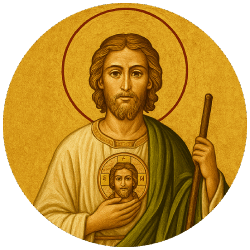
No. Along with the words of Scripture, images can illuminate the Gospel message and inspire us with the memory of Saints. We believe God is present in beauty – and so we have commissioned and preserved some of the world’s greatest artworks. Without the sponsorship of the Church, Michelangelo would never have painted his famous Sistine Chapel nor carved the Pietà.
What is the Catechism of the Catholic Church?
The word “catechism” comes from the Greek word, catechesis, or oral teaching. The Catechism of the Catholic Church is a compendium of the essential teachings of the Catholic faith. It’s available online for free.
How does someone come back to the Catholic Church?
There’s a saying, “Once a Catholic, always a Catholic.” If you were baptized into the Catholic Church, or if you received any of the sacraments when you were younger, you’re still a Catholic, even if you don’t go to Mass or pray anymore. In short, the Catholic Church will always be your spiritual home, and you’re welcome home any time. How? Just show up. Visit a parish, talk to the pastor or one of the priests or to a parishioner and let them know you’re there. We want to welcome you home and help you renew a relationship with Jesus Christ that will be the source of your happiness now and for all eternity!